Gas line work belongs in a narrow category of plumbing tasks where there is no acceptable shortcut. A fitting that isn't fully threaded, a connector that was bent during installation, or a repair that skips the post-work manometer pressure test can produce a leak that's invisible and odorless until conditions for ignition are met. Masters Plumbing Service's certified gas plumbers in Ruby, NY use combustible gas detectors at every connection point after every repair โ and every job ends with a documented manometer pressure test before gas is restored to any line we've worked on.
๐ Call +1-855-718-1500 โ Certified Gas Plumbers
If a contractor quotes gas line work without mentioning manometer pressure testing or combustible gas detection at completion, that's a gap in their safety protocol that you should ask about before agreeing to any work.
No unlicensed person touches gas line work at Masters Plumbing Service. The stakes are too high for on-the-job learning.
We also detector-test any existing connections near the work area that weren't disturbed, to confirm no pre-existing issues in the adjacent line.
This documentation is required by many local inspections and is the professional standard for confirming gas work is complete. Soapy water bubble testing is not an acceptable substitute for a manometer test on anything more than a simple appliance flex connector.
Gas line work โ new runs, repairs to service lines, appliance connection upgrades โ requires a permit and inspection in most NY jurisdictions. We pull the required permit, schedule the inspection, and provide you with the inspection sign-off as part of the job documentation.
Every job follows the same detection and pressure-testing standard regardless of scope.
Once the utility has confirmed the street supply is shut and the structure has ventilated, we locate the leak, make the repair, detector-test every connection, perform the manometer pressure test, and coordinate with the utility for gas restoration.
Moving a gas range, installing a new gas dryer, connecting a gas fireplace insert, or hooking up a tankless water heater โ each requires a code-compliant appliance connector (rated flexible connector or rigid pipe), correct shutoff valve accessible without moving the appliance, and a post-connection leak test and pressure test on the affected segment.
We calculate BTU load for the intended appliances, size the new line in black iron or CSST per the installation context, install at the required depth for buried runs, and perform pressure testing on the new segment before any appliances are connected.
We pressure-test the full distribution system or individual branches per client request, provide a written test result, and report any pressure drop with our best assessment of where the loss is occurring.
Corrugated stainless steel tubing (CSST) is the flexible gas piping used in most newer Ruby homes โ it's faster to install than rigid black iron and routes easily through framing. However, CSST requires specific installation requirements: proper fittings, correct bonding to the electrical grounding system, and protection at penetration points to prevent abrasion damage.
{Propane systems used in areas of Ruby, NY without natural gas service have specific considerations compared to natural gas: different line pressures at the regulator (propane distribution pressure varies by system design), different BTU content per cubic foot, and propane's behavior of settling low (it's heavier than air, so propane accumulates at floor level rather than rising to ceilings).|We service propane supply lines from the tank to the structure, appliance connections, regulator function checks, and leak detection using detectors calibrated for propane's lower explosive limit.}
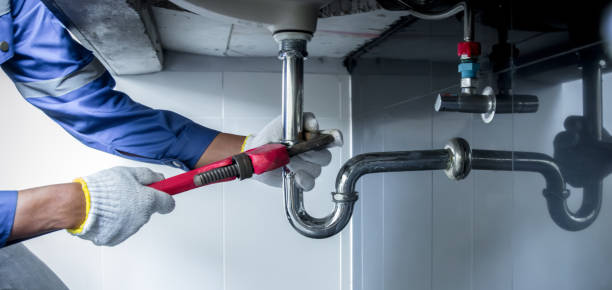
Gas line work follows a defined protocol โ no steps skipped, no "close enough." Here's exactly how a Masters Plumbing Service gas call runs from your first contact to a documented, pressure-tested result.
Active gas smell: stay out of the building, call your utility to shut street supply, then call us. Non-emergency gas work (new runs, appliance connections, pressure testing): call to schedule โ we confirm certification documentation and permit requirements for your specific job scope before arrival.
On arrival, we conduct a detector survey of the full accessible gas system โ not just the suspected area. This establishes a baseline and catches any pre-existing issues beyond the immediate call scope.
You receive a flat-rate quote covering the repair or installation, permit costs, and inspection coordination before any work begins. We pull the permit, execute the work, and do not restore gas to the affected segment until the manometer test passes.
The permit inspection follows, and we provide you with the signed inspection record. The job is not complete until that documentation is in your hands.

Needed a new gas line run to an outdoor kitchen setup. Masters Plumbing Service sized the line correctly for the combined BTU load of the burners and the side burner, ran 3/4-inch black iron through the crawl space and up through the exterior wall, installed a shutoff at the outlet, pressure tested the new segment, and handled the permit and inspection scheduling. Inspection passed first time.
Had three contractors look at moving a gas range โ two said they couldn't do it because of the CSST in the line. Masters Plumbing Service's tech was CSST-qualified, relocated the range connection with the correct CSST fittings, added the required bonding conductor to the grounding system, and pressure tested the modified segment. Permit closed with no issues. Very professional from start to finish.
Called Masters Plumbing Service for a propane system inspection before buying a rural property. Their tech checked the regulator function, distribution line pressure, tank connection, and all appliance flex connectors. Found one connector that was beyond its rated service life and replaced it. Written pressure test documentation and a clear condition report on the full propane system.

Our gas plumbers hold active NY certifications for natural gas and propane, and we carry combustible gas detectors and digital manometers on every gas-call vehicle.

Active gas emergency: leave the building, call your utility, then call +1-855-718-1500.
๐ Call +1-855-718-1500 Now